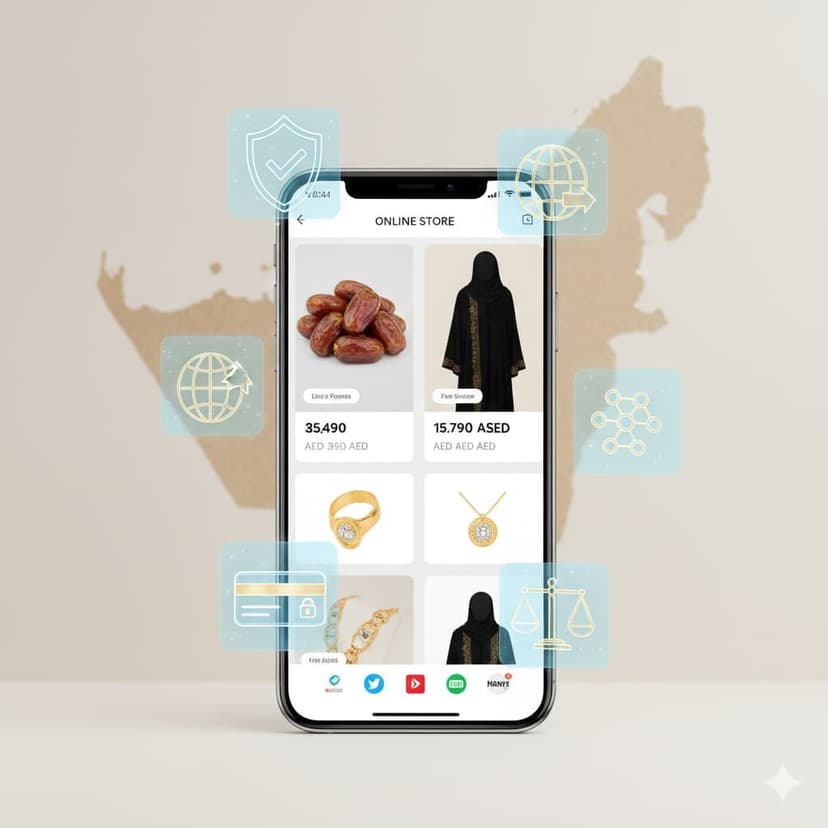
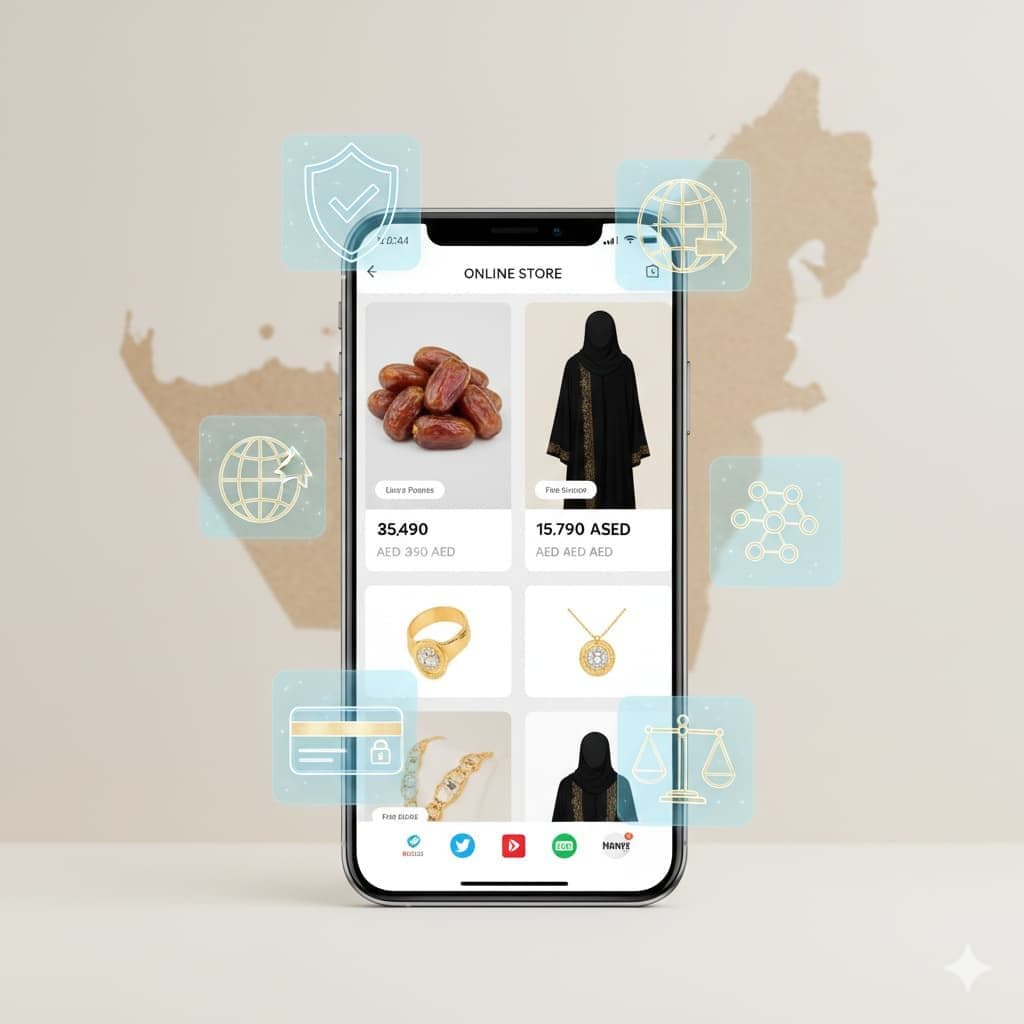
Running a successful online store in the UAE starts with following clear and reliable ecommerce standards that help build trust with customers and create a smooth shopping experience. These standards focus on important details such as secure payments, easy website navigation, clear product information, and simple return policies. When businesses apply proper ecommerce standards, customers feel more confident while shopping and are more likely to come back again. Over time, sticking to strong ecommerce standards helps online stores grow, improve their reputation, and stay competitive in the fast moving digital market.
The Legal Foundation: E-commerce Licensing in 2026
In 2026, running an online store in the UAE without a proper license can put your business at risk. Having a valid license is one of the main minimum requirements for e-commerce website in Dubai, and it helps create a fair and trusted online market. Many business owners choose to work with online store builders in the UAE and use professional ZMatjar services to make the setup process simple and stress free. When your store is legally registered and follows clear ecommerce standards, you can focus on growing your business with confidence and peace of mind.
Consumer Protection: The New “Modern Tech” Trade Law
In the UAE, protecting customers is a top priority, especially when it comes to refunds, returns, and clear communication. The UAE consumer protection law refund policy 2026 requires online stores to be honest and transparent in every transaction. Whether you are using a custom e-menu with ZMatjar or working on creating an ecommerce website, showing clear policies on your website helps customers feel comfortable and confident. Following universal standard e commerce and standard ecommerce practices also helps build trust, strengthen your brand image, and create long term relationships with your customers.
Data Privacy & Cybersecurity Standards
Protecting customer data is an important part of ecommerce standards in the UAE. Online businesses must keep payment details, personal information, and browsing data safe to protect customers and avoid legal issues. Following universal standard e commerce rules and using reliable platforms for creating an ecommerce website helps reduce security risks and improve website safety. Working with ZMatjar and trusted online store builders in the UAE services also ensures that your digital menu and website meet privacy and data protection requirements.
Advertising & Social Media Compliance
Online stores in the UAE must follow clear advertising rules when promoting products on websites and social media platforms. Misleading offers, hidden fees, or unclear pricing can violate the minimum requirements for e-commerce website in Dubai and reduce customer trust. Whether you promote through social media or your digital menu, using professional tools like custom e-menu with ZMatjar helps ensure your offers are accurate and easy to understand. Following these standard ecommerce practices also supports compliance with important policies such as the UAE consumer protection law refund policy 2026, helping your business stay trusted and legally protected.
V. Financial & Tax Standards (VAT & Payments)
Managing money and taxes correctly is very important for every online business in the UAE. Sellers need to understand VAT on digital services UAE non-resident rules and make sure all tax reports are accurate and up to date. Using secure payment systems, showing clear prices, and displaying VAT details helps follow proper ecommerce standards and builds customer trust. Working with ZMatjar platform and trusted online store builders in the UAE services also makes payment setup and VAT management easier, safer, and more reliable for long term success.
Also read: Seasonal Menu Engineering: How to Update Your Digital Store for Ramadan and Eid
Conclusion
Meeting ecommerce standards is not only about following rules and regulations, but also about building trust, strong customer relationships, and long term business success. By following universal standard e commerce, local UAE laws, and working with experienced online store builders in the UAE services, businesses can create professional and competitive online stores. Platforms like ZMatjar help manage everything from digital menu setup to full website development while staying fully compliant with the UAE consumer protection law refund policy 2026, ensuring a safe and reliable shopping experience for customers.
Also read: Pricing Strategies for Digital Products
FAQs
Can I run an online store from home in the UAE without a license?
Running an online business in the UAE without a valid license is not allowed. All online stores must follow the minimum requirements for e-commerce website in Dubai and obtain official legal approval before operating. Using professional ZMatjar solutions and reliable services for creating an ecommerce website helps businesses meet licensing rules and follow standard ecommerce regulations more easily, while avoiding legal risks and penalties.
Is it mandatory to show the total price including VAT on the product page?
Yes, UAE regulations require online stores to display the full price, including VAT. This is especially important for sellers dealing with VAT on digital services UAE non-resident rules. Showing clear pricing on your website and digital menu supports proper ecommerce standards and builds customer trust.
What is the penalty for not complying with the UAE Data Protection Law?
Not protecting customer data can lead to serious problems, including heavy fines and legal action. When online stores ignore privacy rules, they violate universal standard e commerce practices and local UAE regulations. Using secure platforms, professional ZMatjar services, and working with trusted online store builders in the UAE services helps reduce security risks, protect customer information, and maintain full compliance with data protection laws.
Also read: How to Sell Products Online in UAE