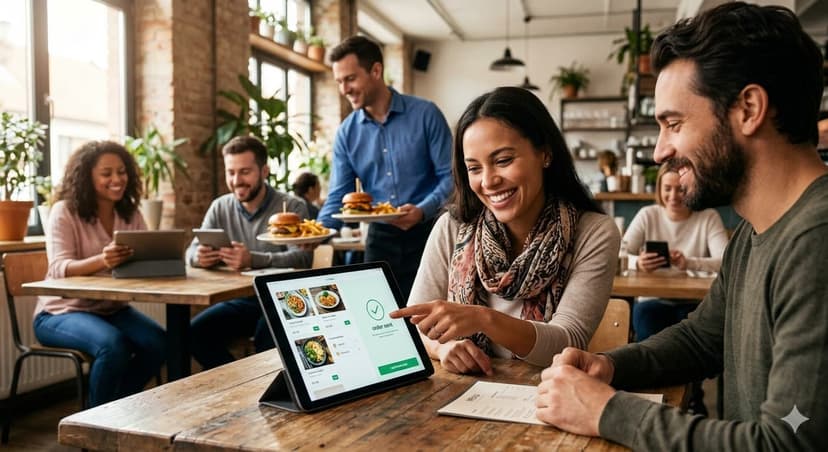
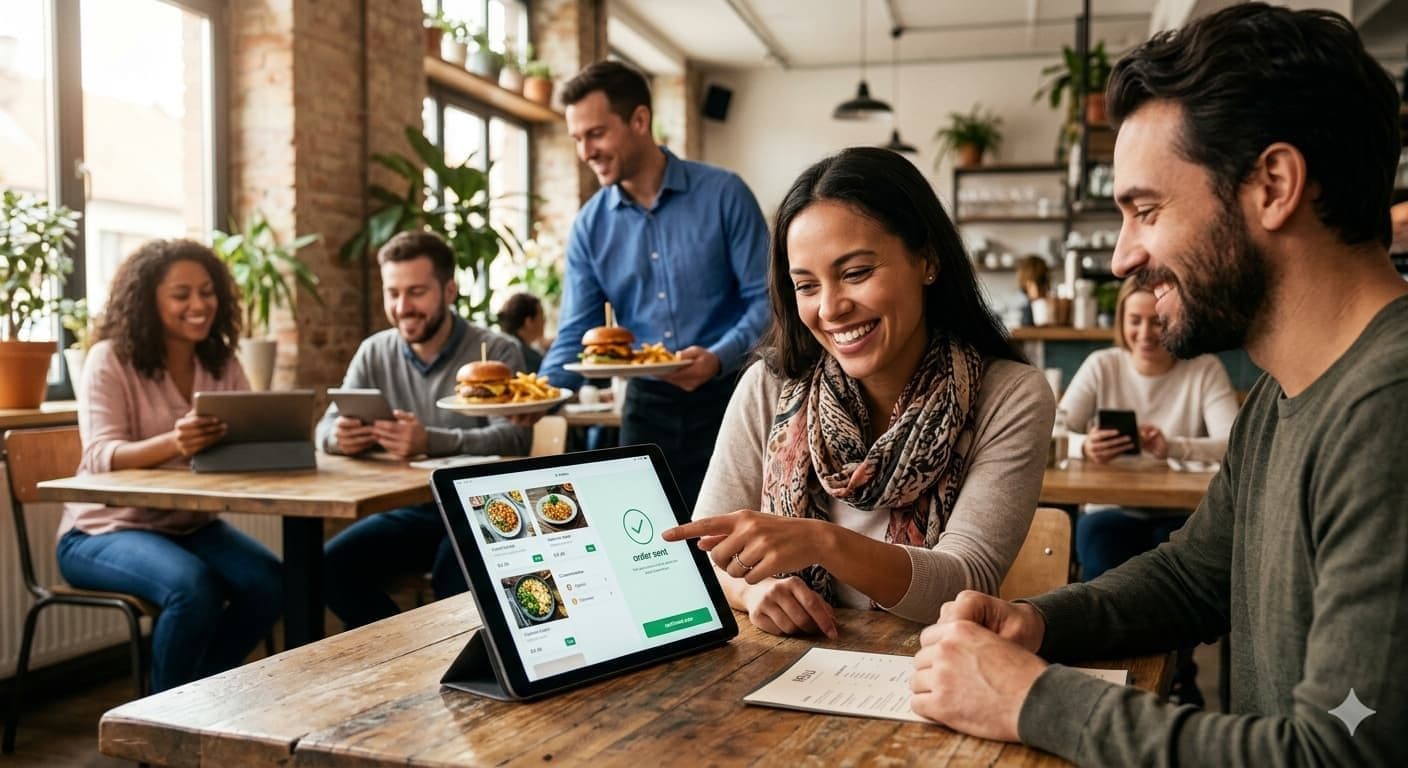
To the customer, ordering food feels like one quick action. They choose what they want, add a note if needed, confirm the order, and wait for the restaurant to handle the rest.
Inside the restaurant, the same order moves through several hands. The kitchen needs the right timing. The cashier needs payment clarity. The team needs correct customer details. Delivery or pickup needs to happen without confusion.
This is where many restaurants feel the real issue. They are not short on orders. They are short on one clear system to manage them.
A strong restaurant ordering solution should reduce pressure on the team and make the customer journey easier from the first menu view to the final confirmation.
The Growing Importance of Digital Restaurant Ordering
Restaurant ordering has changed because customer habits have changed. People expect to open a menu on their phone, understand the options quickly, pay without friction, and receive confirmation without calling the restaurant.
This shift affects cafés, bakeries, cloud kitchens, fast food brands, and local restaurants. Customers want convenience. Restaurants still need control.
A practical restaurant ordering solution helps the business manage menu items, availability, customer details, payments, and order flow in one place. This is also why creating an ecommerce website has become useful for food businesses. A restaurant website can now work as a direct sales channel, not just a page with opening hours.
Digital ordering is not about replacing service. It is about making service easier to deliver.
Common Challenges Restaurants Face with Ordering Systems
A restaurant can have good food and still lose customers if ordering feels slow or unclear.
The problems usually appear during daily service. A WhatsApp order gets missed. A menu item sells out but stays visible. A delivery note is unclear. A payment confirmation takes too long. A staff member answers the same question across phone calls, social media, and messages.
A weak restaurant ordering solution adds work instead of removing it. It may receive orders, but still leave the team checking details manually.
This is where a basic restaurant ordering system may not be enough. Restaurants need a setup that can handle real pressure during busy hours. The system should support menu updates, payment flow, customer details, and order tracking without forcing the team to create manual workarounds.
The order is simple for the customer. The process behind it needs to be strong enough for the restaurant.
Also read: How to Start an Online Business in Dubai
Choosing Between Third-Party and Direct Ordering Platforms
Third-party delivery apps can help restaurants reach new customers. They offer visibility and a familiar ordering experience.
The trade-off is control.
When customers order through a third-party app, the restaurant may have less access to customer data, less control over the brand experience, and fewer ways to encourage repeat orders directly.
A restaurant online ordering system gives the restaurant more ownership. Customers can order through the restaurant’s own website, menu, or ordering page. The business can manage the menu layout, collect useful customer information, promote offers, and build stronger long-term relationships.
This does not mean restaurants must stop using delivery apps. Many businesses use both. Third-party platforms can help with reach. Direct ordering can help with control.
For restaurants that want direct ordering without building everything from scratch, online store builders in the UAE can make the process easier to launch and manage.
Mobile Ordering and User Experience Optimization
Most restaurant orders now begin on a phone. That means the ordering experience must be clear, fast, and easy to complete.
A customer will not wait for a slow menu. They will not search too long for prices. They will not complete checkout if the page feels confusing.
A good restaurant ordering solution should make the next step obvious. The customer should be able to browse items, choose add-ons, write notes, select pickup or delivery, and confirm the order without needing help.
This is where an online ordering system should be built around real customer behavior. The restaurant needs control, but the customer needs speed.
For cafés and restaurants, a custom e-menu with ZMatjar can help customers browse clearly and place orders from their phones with less confusion.
A good mobile experience removes hesitation at the exact moment the customer is ready to buy.
Also read: How to choose the best ecommerce platform for restaurants
Payment Security and Customer Trust
Payment is where trust becomes practical. A customer may like the food and understand the menu, but if payment feels unclear, the order can stop there.
Restaurants need secure payment options, clear pricing, visible order details, and quick confirmation. These small details make customers feel that the restaurant is organized and reliable.
A digital menu also supports trust before payment begins. When items, prices, options, and notes are displayed clearly, customers are less likely to make mistakes or need follow-up calls.
Payment security is not only a technical feature. It is part of the customer experience.
Managing Peak Hours and High-Demand Periods
Every restaurant has pressure points. Lunch rush, dinner service, weekends, promotions, and group orders can all expose weak systems.
During these times, the problem is rarely one mistake. It is usually too many disconnected channels.
A food ordering system helps restaurants organize orders by time, customer details, fulfillment method, and status. The kitchen can see what needs preparation. The team can track what is confirmed. Customers can place orders without waiting for someone to answer every message manually.
The system does not remove the rush. It makes the rush easier to manage.
Also read: 5 Ways Digital Menus Increase upselling in food and beverage
Using Data and Analytics to Improve Performance
Restaurant owners often understand their business through experience. They know which dishes move quickly. They know which hours feel busy. They know which offers seem to attract attention.
Data makes that instinct sharper.
A good ordering setup can show which items sell most, when customers usually order, which products are often bought together, and where customers may leave before completing checkout.
This helps the restaurant improve menu layout, prepare better for peak hours, review slow-moving items, and highlight popular choices.
Useful data does not need to be complicated. It should help the owner make better decisions every week.
Building Customer Loyalty Through Direct Ordering
A returning customer should not feel like they are starting over every time they order.
If they already know the restaurant and trust the food, the ordering process should help them move from choice to confirmation quickly.
An online food ordering system keeps the relationship closer to the restaurant. The business can communicate directly, encourage repeat orders, promote seasonal items, and understand what loyal customers actually buy.
Loyalty does not always begin with points or discounts. Sometimes it begins when a customer thinks, that was easy, I will order again.
Key Features to Look for in a Restaurant Ordering Solution
The best features are the ones your team can use during a real shift.
A restaurant needs menu updates that can be handled quickly when an item changes or sells out. It needs a mobile ordering flow that customers understand without explanation. It needs secure payment options, clear confirmations, WhatsApp support, multilingual options, and order tracking that reduces manual checking.
A restaurant ordering solution should also be simple enough for daily use. If the system feels complicated, the team will slowly return to manual habits.
This is where the ZMatjar platform can fit naturally for restaurants that want to manage digital selling, customer communication, and online orders from one place.
The right restaurant ordering solution should not make the restaurant depend on technical knowledge. It should make the business easier to run.
How the Right Ordering Platform Supports Business Growth
Growth does not always start with more advertising. Sometimes it starts by fixing the path between interest and order.
If customers can browse faster, understand the menu, pay with confidence, and order again without confusion, the restaurant becomes easier to buy from.
Through ZMatjar services, restaurants can build a clearer ordering experience, manage digital menus, support online selling, and reduce the technical pressure that slows many food businesses.
A strong restaurant ordering solution supports growth because it protects the moment where customers decide to continue or leave.
Conclusion
Restaurant ordering looks simple from the outside. Inside the business, every order touches the menu, kitchen timing, payment confirmation, customer communication, and delivery or pickup coordination.
The right system brings those parts closer together.
A good restaurant ordering solution helps customers order with less effort and helps restaurants manage demand with more control.
For restaurants looking for the best digital menu software for restaurants, ZMatjar offers practical tools for digital menus, online ordering, payments, and smoother order management.
Start with the customer journey. Then choose the platform that makes ordering easier for both sides.
FAQs
What is a restaurant ordering solution?
It is a digital system that helps restaurants receive, manage, and process customer orders through channels such as a website, mobile menu, or WhatsApp ordering.
Why do restaurants need online ordering systems?
Restaurants need online ordering systems because customers expect clear menus, fast ordering, secure payment options, and quick confirmation. A good system also helps staff reduce missed orders.
What are the biggest challenges of restaurant ordering systems?
The main challenges are unclear menu updates, missed orders, poor mobile experience, payment confusion, weak tracking, and too many disconnected ordering channels.
What features should a restaurant ordering platform include?
It should include easy menu updates, mobile-friendly ordering, secure payments, order confirmation, WhatsApp support, multilingual options, and simple order management.
How can online ordering increase restaurant revenue?
Online ordering can support revenue by making it easier for customers to browse, order, pay, and return. It also helps restaurants build direct customer relationships instead of depending only on third-party platforms.