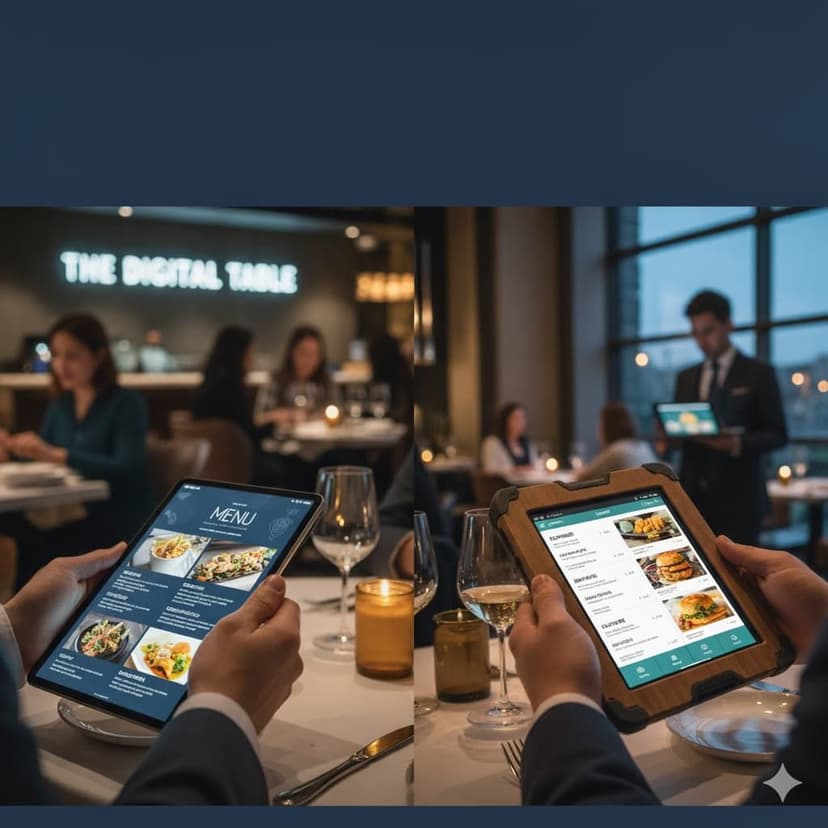
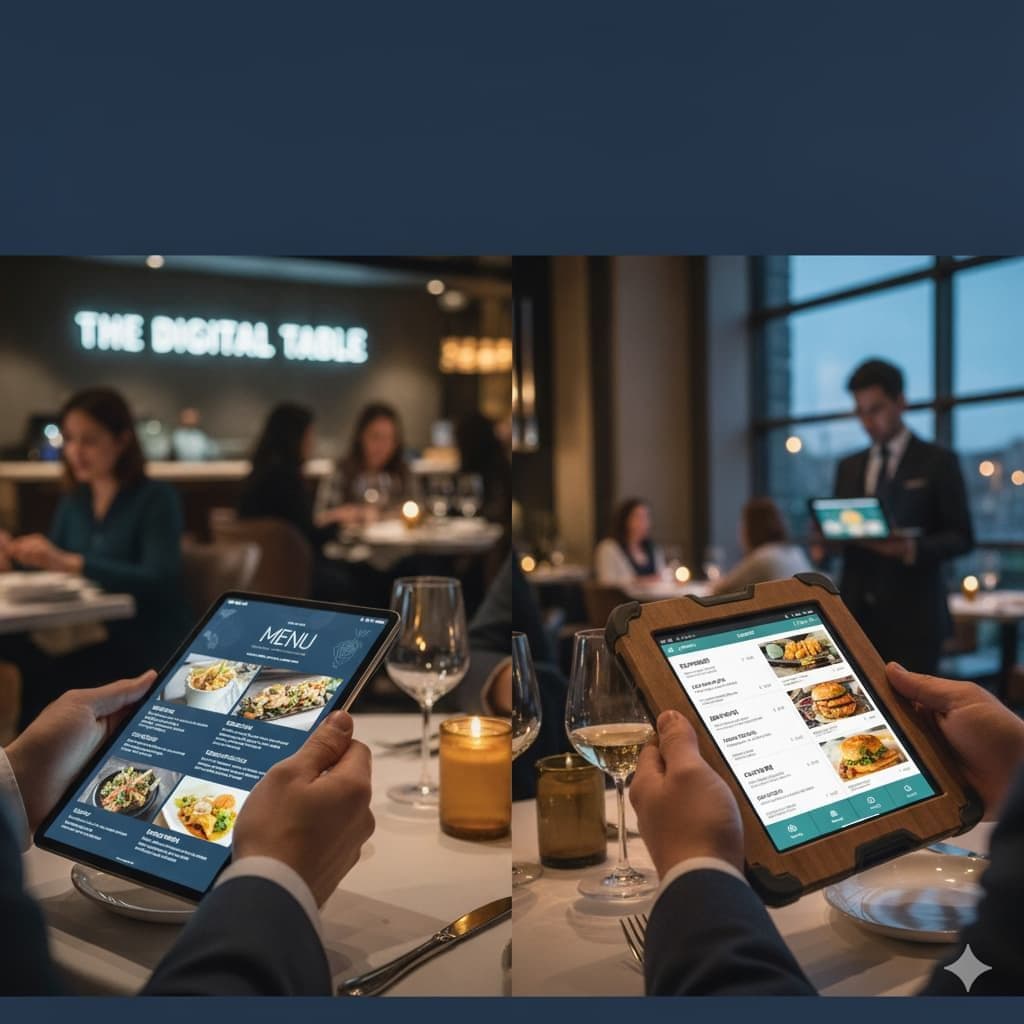
The restaurant industry is evolving rapidly, and technology is at the forefront of this transformation. One of the most effective tools reshaping the dining experience is electronic menus for restaurants. These innovative solutions not only modernize ordering but also streamline operations, reduce errors, and create a more interactive experience for customers. In this guide, we’ll walk you through everything you need to know about selecting the right system, from menu types to features, integration, and cost considerations.
The Types of E-Menus
As more restaurants adopt digital transformation, it’s important to understand that not all electronic menus for restaurants are the same. Each type offers unique benefits depending on the dining style, customer base, and operational workflow. Let’s explore the main types available today.
Tablet-Based E-Menus
Tablet-based digital menus are a popular choice for casual and fine dining restaurants. With this system, customers can browse the digital food menu directly on a provided tablet at their table. The rich visuals, detailed descriptions, and even pairing suggestions can enhance the overall dining experience. Restaurants that focus on upselling premium items often prefer this option since the interactive design makes it easier to highlight specials.
QR Code Menus
QR codes have become an essential part of electronic menus since the pandemic. Customers simply scan a code using their smartphone to access the digital menu for restaurants. This type of system is cost-effective, easy to update, and eliminates the need for physical menus. It’s especially useful for small to mid-sized restaurants that want a quick and simple solution without investing heavily in hardware.
Kiosk E-Menus
Self-service kiosks are increasingly common in fast-food chains and quick-service restaurants. These electronic menus for restaurants allow customers to browse, customize, and pay for their orders without interacting with staff. Not only does this reduce wait times, but it also helps improve order accuracy and boosts throughput during busy hours.
Mobile App Menus
Some restaurants invest in building their own branded mobile apps. These digital menus give customers the ability to order ahead, make table reservations, and even earn loyalty points. While more expensive to develop, they offer a long-term competitive advantage and encourage repeat visits.
Professional E-Menu Systems
For high-end dining establishments, a Professional E-Menu system is ideal. These are customizable solutions that integrate seamlessly with branding, offer multi-language support, and provide advanced analytics. This type of menu system positions the restaurant as tech-forward while catering to a diverse clientele.
Key Features to Look For
Choosing the right electronic menus for restaurants goes beyond aesthetics. The system should improve efficiency, enhance customer engagement, and integrate smoothly with your operations. Here are the essential features to prioritize:
Easy Customization
Your menu isn’t static, so your digital food menu shouldn’t be either. Look for solutions that allow you to update items, prices, and images instantly. Seasonal promotions and daily specials should be easy to highlight without extra costs.
High-Quality Visuals
Images play a huge role in influencing customer choices. A digital menu for restaurants that supports HD photos, videos, and detailed descriptions can increase upselling opportunities. Customers are more likely to try new items when visuals are appealing.
Integration with POS Systems
Seamless integration with your restaurant’s POS system ensures orders are processed accurately. This reduces errors, saves staff time, and improves overall efficiency. Without this integration, even the best electronic menus can become a bottleneck in your workflow.
Multi-Language Support
If you operate in a diverse market like the UAE, multi-language options are essential. A custom e-menu with Zmatjar ensures you can reach customers from different backgrounds, improving inclusivity and guest satisfaction.
Secure Payment Gateways
More electronic menus for restaurants now allow direct payments. Choosing a system with encrypted, PCI-compliant gateways ensures customer trust and prevents fraud risks.
Analytics and Reporting
Advanced reporting gives you insights into customer preferences, sales trends, and item performance. This feature allows managers to make data-driven decisions to optimize menu design and pricing strategies.
Cost-Benefit Analysis: Is It Worth the Investment?
Many restaurant owners hesitate before investing in electronic menus for restaurants because of upfront costs. However, when you evaluate the long-term benefits, these systems often pay for themselves.
Reduced Printing Costs
Traditional menus require constant reprinting whenever there are changes. With digital menus, updates are instant and cost-free, saving hundreds or even thousands annually.
Increased Upselling Opportunities
The visual appeal of a digital food menu naturally encourages customers to try premium dishes or add extras. Many restaurants see a boost in average order value after adopting e-menus.
Streamlined Operations
By integrating with POS systems, electronic menus cut down on errors, reduce staff workload, and speed up service. Faster turnover means serving more customers during peak hours, leading to higher revenue.
Enhanced Customer Loyalty
Interactive menus and features like personalized recommendations foster repeat business. Pairing these with loyalty programs through digital menus can significantly improve customer retention.
Scalability for Multi-Location Businesses
If you own multiple outlets, managing them from a single platform is a huge advantage. With online store builders in the UAE, restaurant owners can scale efficiently while maintaining consistency across all locations.
Seamless Integration: E-Menus and Your Restaurant’s Workflow
Adopting electronic menus for restaurants should never disrupt your operations. Instead, it should complement your workflow by reducing manual tasks, minimizing miscommunication, and allowing staff to focus on customer service. Integrations with inventory systems, kitchen displays, and payment platforms make e-menus a natural extension of your business processes. When properly implemented, a digital menu for restaurants becomes a tool for both efficiency and customer satisfaction.
Enhancing the Customer Experience
Ultimately, electronic menus for restaurants are about creating better dining experiences. Customers enjoy faster service, clearer menu options, and more interactive ordering. For tourists or diverse customer bases, multi-language support ensures accessibility. Features like allergen filters and nutritional information on digital menus also show customers that you care about their health and preferences. By leveraging the flexibility of e-menus, restaurants can exceed expectations and strengthen brand loyalty.
FAQs
Are electronic menus a passing trend or here to stay?
Electronic menus for restaurants are here to stay. They’ve evolved from being a pandemic necessity to becoming an industry standard, offering cost savings, efficiency, and an enhanced dining experience.
How secure are the payment integrations on these menus?
Most modern digital menus use encrypted and PCI-compliant payment gateways, ensuring secure transactions for both customers and restaurants. Always verify the provider’s security certifications before investing.
Can I manage multiple locations from one central system?
Yes, Many electronic menus offer centralized management dashboards, allowing you to update menus, monitor sales, and manage promotions across several outlets with ease.
What if my customers aren’t tech-savvy?
That’s a valid concern. The best digital menu for restaurants solutions are designed with simplicity in mind, offering intuitive navigation and clear instructions. Staff can also assist customers unfamiliar with technology.
Also read: WhatsApp Ordering: The Easiest Way to Sell from Your Website