When we talk about Ecommerce Consumer Behavior, we’re not talking about data or charts. We’re talking about people. Real people with moods, needs, routines, and those small moments that make them hit “buy now.”
Sometimes we shop online because we’re exhausted and want the easiest option. Sometimes it’s a deal we don’t want to miss. And sometimes it’s just late-night scrolling when something randomly grabs our attention. Online shopping isn’t purely rational. A lot of it is emotional too.
That’s why Ecommerce Consumer Behavior matters. One person focuses on price. Another won’t compromise on quality. Someone else only cares about fast delivery. Some buyers stick to brands they already trust. Others won’t move without checking reviews first.
At its core, Ecommerce Consumer Behavior is shaped by emotion, convenience, trust, and personal preference. When businesses remember there’s a real human behind every click, they create experiences that feel natural, not forced.
What Is Ecommerce Consumer Behavior?
Ecommerce consumer behavior comes down to one thing: people. How they think, what they feel, and what makes them stop scrolling and actually buy. It includes the whole journey, from browsing and comparing to finally hitting “purchase.”
When you examine consumer behavior e commerce, patterns start to show. Some shoppers research everything. Others decide almost instantly. Website design matters. Checkout speed matters. Trust matters. That’s why e commerce and consumer behavior go hand in hand — the experience directly impacts the decision.
Experts often describe consumer behaviour towards e commerce as a mix of logic and emotion. Shoppers look at prices and product details, sure. But they also react to how a brand makes them feel.
Put simply, it’s consumer behavior in ecommerce explained through real-life habits — psychology, usability, and the full digital experience working together.
Consumer Motivations for Online Shopping
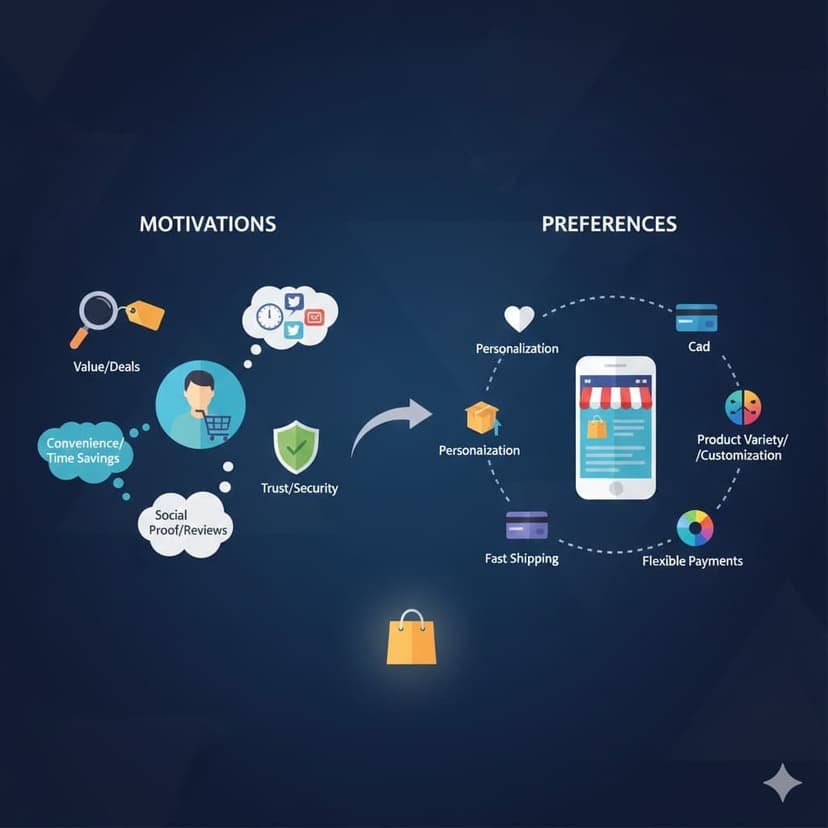
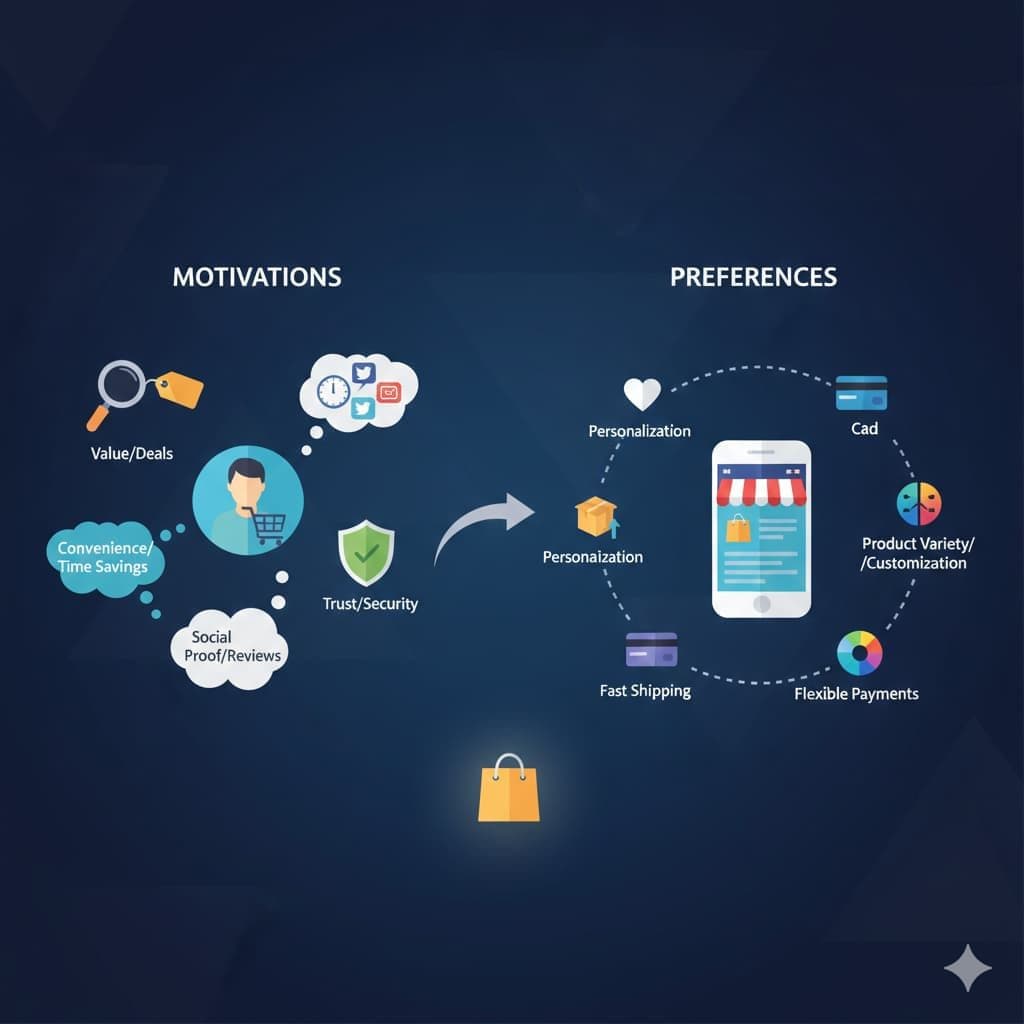
People shop online for different reasons, but convenience is usually at the top. It’s fast. It’s simple. And it saves time. Quick delivery, easy product comparisons, and better prices all make saying “yes” a lot easier. These are core consumer motivations for online shopping.
From the business side, platforms like ZMatjar platform are designed to make that process smoother. A clean checkout, strong mobile experience, and fewer obstacles between browsing and buying can make a real difference. Brands that understand what actually motivates their customers tend to perform better.
Ecommerce Consumer Preferences
No two customers think the same. Some are price-driven. Others care more about quality or brand trust. And for a lot of shoppers, reviews and ratings are the deciding factor. That’s usually where trust is either built or lost.
When creating an ecommerce website, understanding these preferences is a must. The small details shape the full experience. Even something like adding a digital menu or a custom e-menu with ZMatjar can influence how customers engage with a brand.
Companies using ZMatjar services or exploring online store builders in the UAE tend to prioritize customization for a reason. Personalization isn’t just a nice touch — it plays a direct role in buying behavior.
The Online Customer Journey Explained
The online journey rarely happens in one move. It starts with awareness. Then people research, compare options, and eventually decide whether to buy. Every stage plays a role in shaping Ecommerce Consumer Behavior.
And it’s often the small things that make the biggest difference. A fast website keeps people from leaving. Clear product descriptions answer doubts. Simple, clean design makes browsing feel easy. Trust signals give reassurance. When businesses understand this flow and fix the weak points, they reduce friction and make the buying decision feel natural.
How Demographics Affect Ecommerce Behavior
Not everyone shops the same way. Age, location, income, and digital confidence all influence how people buy. Younger shoppers tend to move fast, often on mobile. Older consumers usually slow down, check reviews, and look for signals they can trust.
When businesses pay attention to these differences, they can adjust their messaging and offers to match the people they’re targeting instead of speaking to everyone the same way.
The Role of Psychology in Online Buying Decisions
The psychology of online shopping behavior plays a bigger role than most people realize. A “limited stock” message, customer reviews, a countdown timer, or even strong product visuals can nudge someone toward clicking buy.
Shopping decisions aren’t purely logical. Emotions get involved. It might be excitement. It might be FOMO. That’s why successful ecommerce brands don’t rely on usability alone. They combine a smooth experience with smart psychological cues that naturally guide action.
Common Ecommerce Consumer Pain Points
Few things turn customers away faster than a slow website or unexpected fees at checkout. Add a complicated payment process or unclear return policy, and many shoppers will simply leave. Sometimes it only takes one small technical issue to lose the sale.
Fixing these pain points does more than protect conversions. It builds trust. And trust is what brings customers back again.
How Businesses Can Adapt to Changing Consumer Behavior
Customer expectations are always shifting. What felt impressive last year can feel outdated today. That’s why businesses have to keep refining the basics — stronger mobile experiences, cleaner navigation, clearer communication. People want things simple. They want them clear.
Brands that put money into smarter tools and flexible ecommerce solutions are in a better position to keep up. In a digital market that changes quickly, the brands that adapt are the ones that last.
Also read: The Top Online Shopping Trends
Conclusion
Ecommerce Consumer Behavior isn’t just about clicks or completed orders. It’s about understanding consumer behavior e commerce — what really influences people when they shop online — and seeing how consumer behaviour towards e commerce keeps changing.
When businesses truly get e commerce and consumer behavior, they build platforms that feel right to their audience. Whether you’re creating an ecommerce website, improving a digital menu, or launching a custom e-menu with ZMatjar, the focus is the same: remove friction and build trust.
Brands using ZMatjar services, operating through the ZMatjar platform, or exploring online store builders in the UAE are usually more prepared to respond to trends and the growing impact of the psychology of online shopping behavior.
At the end of the day, Ecommerce Consumer Behavior comes down to people. The better you understand them, the stronger your results.
Also read: Seasonal Menu Engineering: How to Update Your Digital Store for Ramadan and Eid
FAQs
What factors influence online shopping behavior?
There’s more than one thing behind a buying decision. Price is important, yes. But speed, reviews, delivery options, and overall trust in the brand matter just as much. Even something small — like an easy checkout or a limited-time deal — can be the final push.
Why is consumer behavior important in ecommerce?
Because it shows businesses what really moves their customers. When brands understand how people think and choose, they can build experiences that feel smooth and intuitive. And when things feel easy, results usually follow.
What motivates consumers to shop online?
Convenience comes first. Saving time, comparing products quickly, and finding better prices all make online shopping attractive. But emotion plays a role too — sometimes it’s excitement, sometimes curiosity, sometimes just not wanting to miss out.
How do reviews affect Ecommerce Consumer Behavior?
Reviews carry weight. Many shoppers check ratings before they even consider buying. Strong reviews build reassurance. Weak or missing reviews can stop the decision altogether.
How does mobile usage affect ecommerce behavior?
A big part of online shopping happens on mobile. People browse quickly, often while multitasking. If the mobile experience feels slow or complicated, they leave. If it’s smooth, buying feels simple.
Also read: E-commerce Standards Every UAE Online Store Must Meet